After I made the announcement, one of my nieces was shocked, reaching out to me, saying, “I’m pretty sure you have been a vegan for most of the time I’ve known you, ha ha. So you eat cheese pizza now?”
My answer: Well, I could… but I don’t… not really.
Certain kosher meats, but only if they are baked or broiled, never fried or processed (like in a “nugget” form).
Wild caught fish: mainly salmon, cod, mahi mahi, and even anchovies; but not tuna, which instantly causes my dyshodrotic eczema to return. And definitely never shellfish: shrimp, scallops, lobster, etc. (They are not kosher.)
Chicken, without the skin.
Turkey, but I don’t really like it.
Beef, but never with dairy, like cheese; which is part of keeping kosher.
I see no reason to drink milk from an animal; not only because it contains more sugar than most people realize, but I attribute milk as the reason my sinuses and allergies used to be so horrible.
Vegetables, but not cooked in heavy oils.
Fruit, with no limitations.
Grains and potatoes, but only on occasion:
I am intentionally strictly avoiding flour (like wheat pasta or wheat pizza dough), hydrogenated oils, and processed sugar.
So would I eat a cheese pizza? I have; several times.
But I realized that it goes against what I am trying to accomplish; which is to have a permanent, healthy and balanced diet which will allow me to comfortably fit back into my size 32 pants again.
I have learned to appreciate grilled chicken pesto pizza on gluten-free, cauliflower crust.
Could I eat a cheeseburger? No, because it’s combining beef with dairy; which isn’t kosher.
Could I eat a hamburger? I could, but I’m not in a hurry to, since that would involve a lot of bread.
I think that ultimately, new identity as an ex-vegan consists of a dietary regiment that is still as disciplined as being a vegan, though it’s a lot less restricting.
In the past 6 months, I have loss and kept off 5 pounds since I stopped being a vegan. And because I have been faithfully working out using Darebee.com, it is my belief that the reason I am not continuing to lose more weight right now is that the muscle I am building weights more than the fat.
I’m thinking that within another 6 months, I’ll have more confirmation and clarity for Operation: Comfortably Fit in My Size 32 Pants Again.
If not, I’ll keep being open-minded until I figure it out.
After 5 and a half years of being a vegan, I have now come to the realization that the skeptics were actually right, in their concern that I wouldn’t get enough protein. But not in the way any of us expected:
It’s not that I ever became weak, lightheaded, or underweight.
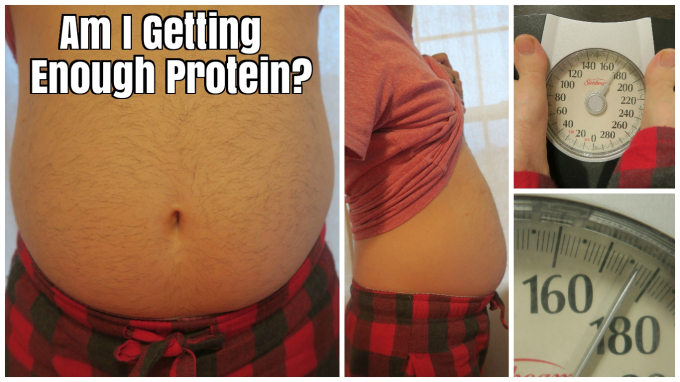
Whereas for the first year or so of being a vegan I did lose weight, getting down to 156 pounds and size 31 pants, and I am not back to being over 170 pounds and am now only able to fit into a few pairs of my 32 size pants. And by the way, I’m not tall: I’m 5′ 9″.
My vegan weight gain has occurred for more than one reason…
First, these days there are vegan options for everything, including ice cream; which my wife and I were eating nearly every night as a “reward” for making it through a never hectic day raising two kids, while both working our full-time jobs, plus running our side hustles (including doing SEO for a major university, running two YouTube channels, and managing this blog).
Second, I was overeating. My first year of being a vegan taught me that I could ultimately eat as much of any vegan food I wanted, and I would still fit into my size 31 pants. But eventually, I started gaining my pre-vegan weight back, and I never went back to eating sensible portions.
And third, this whole time, without realizing it, I have never consistently been getting enough complete proteins…
Last Sunday after church, I happened to meet a personal trainer while our families were at Starbucks at the same time. His name is Mark Glesne and he explained to me that initially, I was losing weight because my body wasn’t getting the right kinds of protein, so I was losing muscle mass.
But eventually, my body bottomed out on being able to extract its protein nutrients from my muscle, so it has since went into famine mode, therefore producing extra fat as a back-up plan to survive on.
So for the past week, I have been researching and experimenting on what exactly these “vegan complete proteins” are.
I thought peanut butter was good for protein… nope, it counts it as fat.
I thought broccoli was good for protein… nope, my body counts it as carbs.
Instead, “complete proteins” look more like this:
A can of chickpeas and a slice of Ezekiel bread.
Chia seeds and almonds.
Rice and beans.
So in theory, I must make it a daily priority to pack in as much complete proteins as I can, so that my body will recognize that I am now consuming enough, so it will stop producing the same level of fat and build muscle instead.
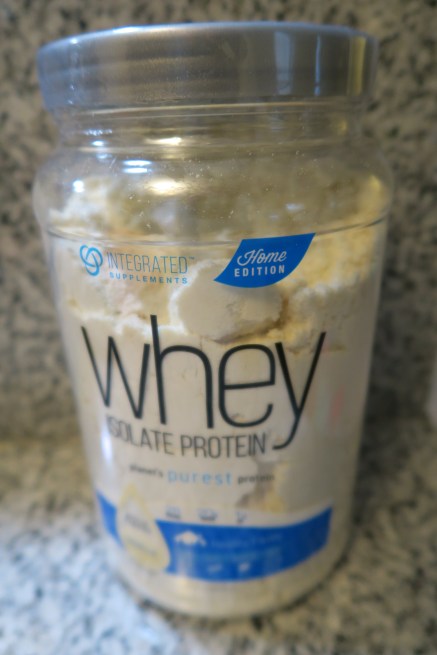
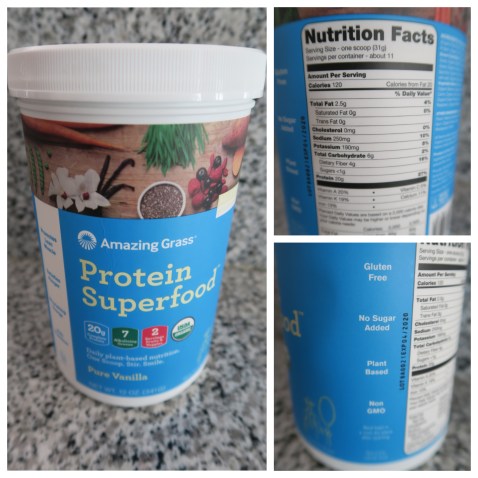
I have decided to make an investment in Amazing Grass Protein Superfood, since it contains 27% of my daily complete proteins, consisting of 20 grams.
This organic, all-in-one nutritional shake thoughtfully combines the alkalizing farm fresh greens with nutrient-dense fruits and veggies plus 20g of plant-based protein. With a smooth vanilla flavor and satisfying texture, this superfood combo is a convenient way to get the whole food nutrition your body needs with an amazing flavor your taste buds will love.
Amazing Grass organically grows & harvests the most nutrient-rich greens on their family farms in Kansas & craft them with the highest quality plant-based ingredients curated from like-minded farmers around the world.
Promotes Lean Muscle • Satisfies Hunger • Nourishing Energy • Aids Digestion
Suggested Use: Add one scoop with 12 fl oz. or more of water, milk or smoothie.
Best kept in a cool, dry place after opening.
Free Of
Gluten, GMOs, added sugar.
*These statements have not been evaluated by the Food and Drug Administration. This product is not intended to diagnose, treat, cure, or prevent any disease.
When I first started out as a vegan, back in April 2013, I definitely wasn’t that cool. I was overzealous and a bit of a loaded cannon.
But I learned from my mistakes and matured from the process; which is what should happen for those of us (like you reading this) who are indeed the emotionally intelligent human beings we think we are.
I polished up my craft over the years. These days, I can very efficiently explain my unconventional lifestyle when people approach me on the subject; even when people subconsciously try to stump me.
It is my policy to never announce my vegan lifestyle in a conversation; the other person has to be curious about what I am eating and ask me. (But that happens a lot, actually.)
The obvious question is always, “Where do you get your protein?”
I explain: “I have 6 food groups; all of which contain the proper protein and nutrients I need: veggies, fruits, grains, beans, nuts, and seeds.”
Sometimes the person will follow up with, “How could body builders they be that big if they were vegans?”
I respond that being a big, buff body builder doesn’t necessarily mean that person is actually healthy. I believe many of them are actually unhealthy.
In my mind, it’s simply unnatural that a person must spend so much time working out and taking supplements; some of which are questionable.
Being abnormally strong does not automatically mean a person is actually healthy; especially for the long term.
Personally, I prefer a more natural approach to being physically fit. I take no less than 2 ten minutes walks a day, plus I ride my mountain bike and run throughout the week as well.
From there, the next question I often get is this: “How do you know you’re healthy?”
I explain that just 6 months ago, I had an appointment with Dr. Thomas M. John of Vanderbilt, in Spring Hill, Tennessee. Without even knowing I was a vegan, he confirmed that for my age and height, I am in the ideal weight range and that I am healthier than most 34 year-old men he sees.
I should point out too that my wife and I are expected our 2nd child to be born in April 2016. Even without meat, eggs, and dairy, I am indeed healthy enough to help conceive a child. Being a vegan definitely did not prevent that from happening.
My doctor specifically noted that my cholesterol levels are great.
That leads to this question:
“Where do you get your fats from?”
Out of the 6 vegan food groups I mentioned earlier (veggies, fruits, grains, beans, nuts, and seeds), it’s the last two, nuts and seeds, which contain the most fat.
On a daily basis, I consume non-GMO, organic peanut butter in my homemade “vegan protein smoothie.” I also have raw, unsalted sunflower seeds in my salad every night for dinner.
Plus, many the dinners my wife makes contain cashews or avocados in them.
By default, vegans consume 0% of their daily cholesterol allowance. Even plants that are high in fat, like avocados and cashews, still contain less than 1% of the daily cholesterol recommendation.
Try finding a vegan food that ever registers having 1% or higher of the daily cholesterol level on the label. It’s impossible. That doesn’t exist.
Sometimes, people are just sincerely confused on what constitutes as a plant. I have been asked these following questions by several people over the past couple years:
“Can you eat bread?”
The answer is sometimes; as long as it’s not made with eggs, milk, butter, or cheese.
“Can you eat eggs?”
No, they come from an animal; and typically just one egg (!) contains at least 58% of your daily cholesterol. Therefore, eggs are very non-vegan.
“Can you eat fish?”
No, fish is an animal; not a plant. But I can eat potatoes, because they are a plant. (People often ask me that when they ask me about fish; I’m not sure why.)
“I heard vegans can’t eat honey; is that true?”
Yes, it’s true: Vegans technically can’t eat honey. I’m not trying to be funny or gross, but the best way to explain it is this:
One of the final frequently asked questions I get is this:
“Do you ever just wish you could go back?”
My answer is a firm and quick no.
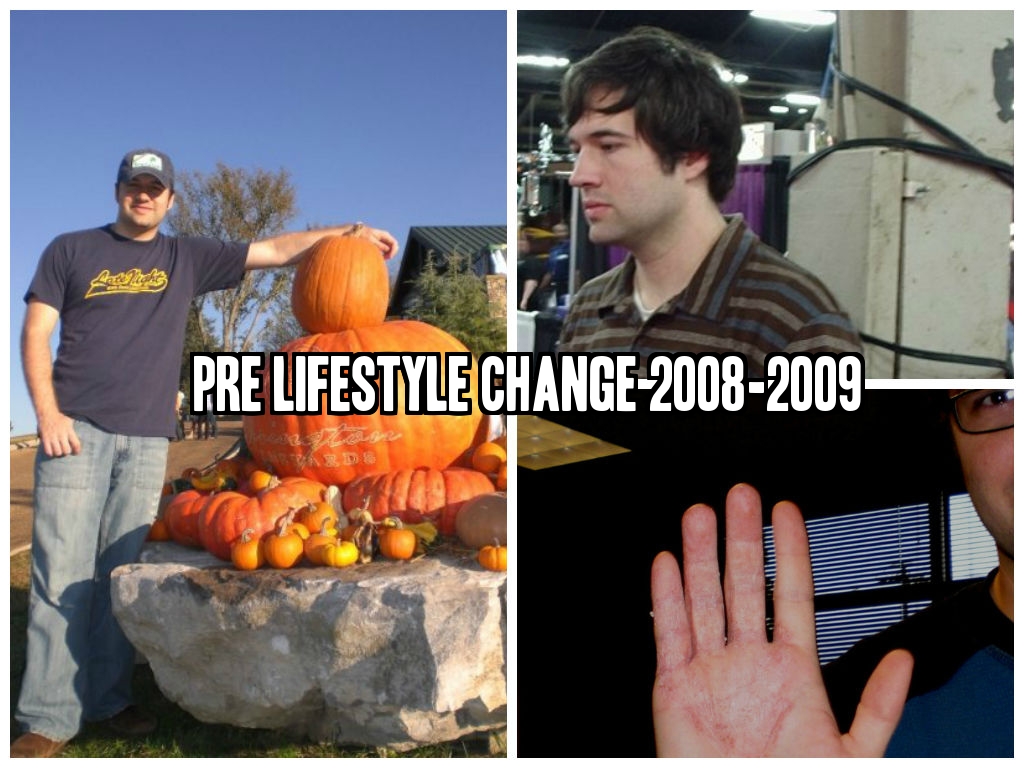
I suffered for 2 decades with constant sinus pressure, sinusitis, pet allergies, eczema (dyshidrosis), headaches, and acne. (Not to mention, I was about 30 pounds heavier in those days.)
Now that’s all gone. I’m not interested in having those health problems again.
The last question I get is this:
“Sometimes, don’t you just wish you could have a big, juicy burger?”
No, I don’t miss beef at all. What I actually miss tends to gross most people out as soon as I say it:
Captain D’s.
Yes, greasy ole fish. That’s what I psychologically miss sometimes. But still, there is no true temptation to go back because then I’ll simply adopt all those health problems again.
If I ever were to open the door to fish, I would give in and start eating meat again. I know myself too well.
Being a vegan isn’t that weird. It actually makes a lot of sense once you understand how it works. It’s just uncommon compared to mainstream society.
As a self-proclaimed “cool vegan,” I make it my goal to make myself easily accessible to answer people’s questions without sounding judgmental on my end.
Instead, my goal is to encourage people to be healthier by nixing the animal products they think they need to be healthy; but again, only when they ask me first. I’m not a door-to-do evangelist. You have to come to my tent.
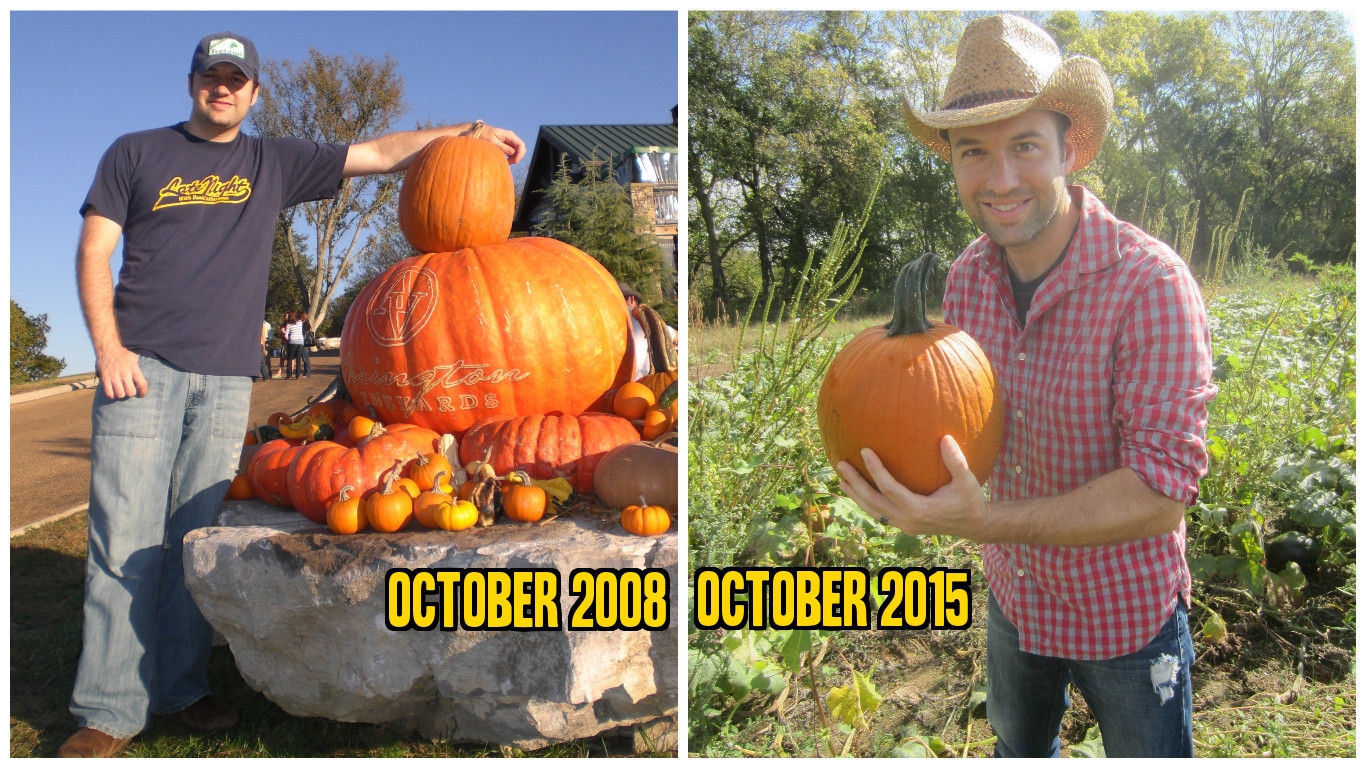
And in case you need a reminder, look at me.
I don’t need milk, yogurt, eggs, fish, or meat to be this healthy. I just need veggies, fruit, grains, beans, nuts, and seeds. Feel free to leave a comment and ask me a frequently wondered question of your own.
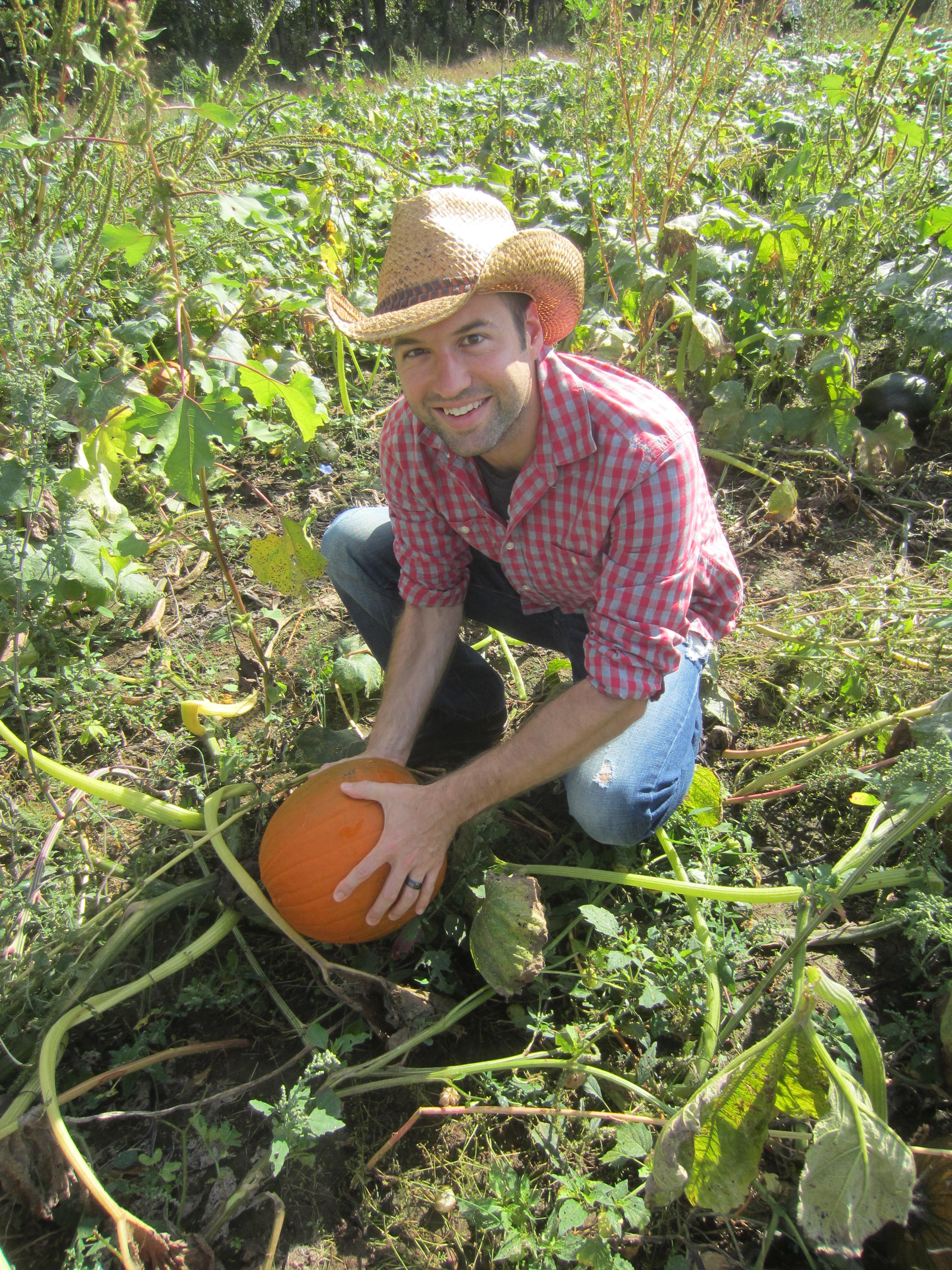
Take a look at me in this corny picture I took yesterday using a self-timer and a tripod.
If you saw me, and didn’t know who I was, would you think to yourself, “I wonder if that guy is getting enough protein…”?
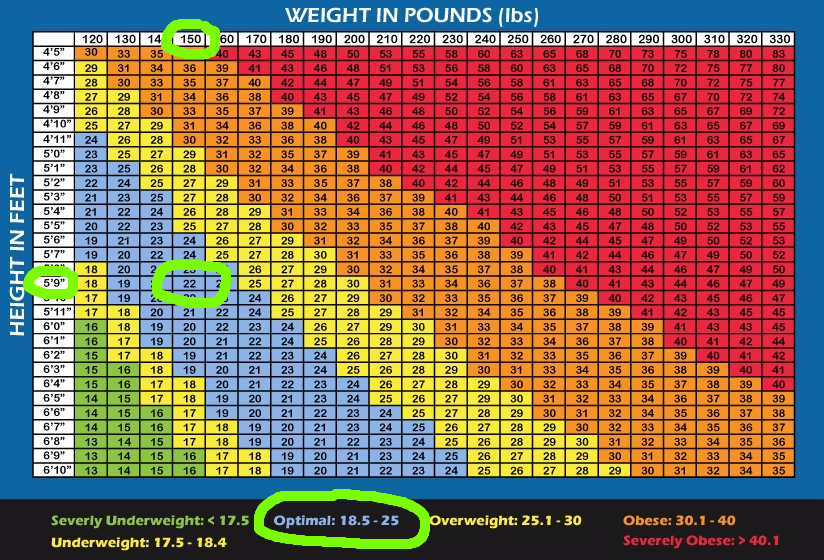
Chances are, you see a guy who really doesn’t have weight to lose or to gain in order to be healthy. And that’s the truth: For my age and weight, I am perfectly in the “optimal” range.
I’m 34 years old, 5’9”, and weigh around 153 pounds (I fluctuate between 148 and 155 throughout the year).
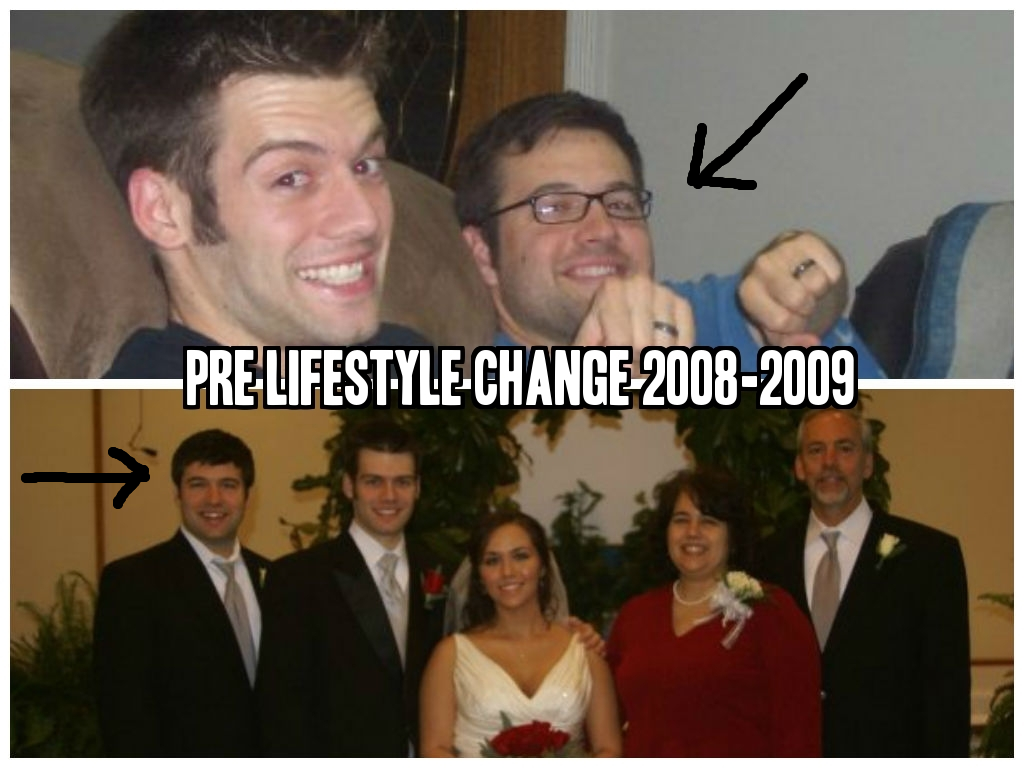
But back in 2008, I peaked at 178 pounds, which according to the chart, put me in the “overweight” category.
So now that we’ve established I’m not underweight, or overweight, why is it that in the past few years, people have asked me if I’m getting enough protein?
After all, that’s not something people typically ask each other:
“Are you getting enough protein?”
In fact, I challenge you to name 3 people you’ve personally known in your lifetime who weren’t getting enough protein; excluding people with eating disorders or people dying of a disease- neither of which apply to vegans like me.
But the moment people find out I’ve been a vegan for about 2 and a half years (and a vegetarian for more than a year before that), they feel compelled to make sure I’m getting enough protein.
Why is that?
Because we’ve collectively been brainwashed to believe that without eating animal products, we will not get enough protein.
In reality, vegans easily get enough protein from 6 easy sources: veggies, fruit, nuts, seeds, beans, and grains.
And again, look at me. How am I not living proof that vegans get enough protein?
Granted, if all I ate was white bread and apple juice, I could see the concern. But that wouldn’t be a healthy, balanced diet. To me that’s the equivalent of someone who “experimented with veganism in college.”
However, they failed because they weren’t actually getting enough all around nutrition, instead, they depended on processed foods.
It’s simple: I eat plenty of unprocessed veggies, fruits, nuts, seeds, beans, and grains.
I don’t have a gym membership. Instead, I simply take at least two 10 minute walks each day, as well as ride my mountain bike and go for runs throughout the week.
I don’t count calories. I don’t go hungry; I eat as much as I want. No portion control.
I invented the nation’s most healthiest, most alive, most convenient, least expensive breakfast, and it’s completely non-processed. The best part is, I can’t make a profit off of it at all. You have to make it yourself. That’s how you know it’s good.
We know that breakfast is the most important meal of the day, but it’s also one of the most difficult to pull off consistently and still be healthy. Because after eliminating the option of the quick and easy (and deadly) fast food options, what is there that is inexpensive and fiber-packed enough to keep a person full? And most importantly, what breakfast food is there that has no added sugar, essentially no fat, improves digestion, is easy to make, and actually tastes really good?
Oatmush. I will share it with you.
Start with a half a cup of rolled oats (make sure that rolled oats are the only ingredient; no sugar, salt, dehydrated fruit, evaporated cane juice, etc). Sometimes I use Publix store brand that costs about $2 for 32 oz. canister (13 servings); currently I’m using Bob’s Red Mill Extra Thick Rolled Oats that I bought from Whole Foods for just a dollar more:
Just pour the oats in an empty coffee mug, then pour in hot water until the water is about ¼ inch above the top of the oats. Then grab a banana:
0g fat, 21g sugar (though it doesn’t count against you when eaten in its whole, natural form, but fruit juice does because it has been separated from the fiber of the fruit), 1g protein, 4g dietary fiber
Now with a fork, set the tip of the banana on the edge of the coffee mug, cutting the banana into slices that fall on top of the oatmeal. Then with the fork, mash the banana slices into oatmeal for a few seconds, like mashing a potato.
By this point, the Oatmush may not be as hot as the oatmeal you’re used to eating, so that means you may need to find hotter water to begin with. Don’t reheat the Oatmush in the microwave; that “kills” the life in it. At least 55% of the food we eat in a day needs to be alive. Live food helps our bodies fight off cancers and diseases (fruits, vegetables, grains, seeds, and nuts in their whole form); dead food doesn’t (meat, processed food, etc.).
If you want to keep things simple, then you’re done. Enjoy your Oatmush.
However, if you’d like to add more flavor and nutrition to your Oatmush, here’s how I do it. Mix in about a half a tablespoon of cinnamon (loaded with antioxidants). Next, get your hands on some hemp seed, found in your nearest Whole Foods. I use Nutiva’s Organic Shelled Hempseed from the refrigerated section of the store.
Hemp seed is extremely healthy and a major part of a healthy, daily diet:
It contains more fatty acids than any other nut or seed found in nature (which is a very good thing). Hempseed contains all 9 essential amino acids and is high in phytonutrients, which support and protect the health of our body’s immunity, bloodstream, cells, tissues, organs, and mitochondria (our body’s “life cells”).
*Flax seed can be substituted in place of hemp seed, which is comparible in nutrition but not equal.
So every morning now, I start off with a good healthy cup of Oatmush. Complete with hempseed, here is the unofficial complete nutritional value:
17g fat (the good kind), 1.5g saturated fat, Og trans fat, 24g sugar (the good kind), 19g protein, 10g dietary fiber
And that’s with nothing man-made or processed. A completely alive breakfast. The best part of it is, I can’t sell you Oatmush. It’s not a marketable product. Because if it was, it would have to come in a bag or box and the bananas would have to be dehydrated. No one can sell you Oatmush. You have to make it yourself. And that’s another sign that it’s really good for you.
It’s really quick and easy to make. Only takes me about one minute, literally. And I dare the entire world to find a healthier, more convenient, less expensive breakfast that is completely alive and not processed in any way.
…I’m waiting.
Oh, and, you’re welcome. For my secret recipe, that is:









 Family Friendly Daddy Blog